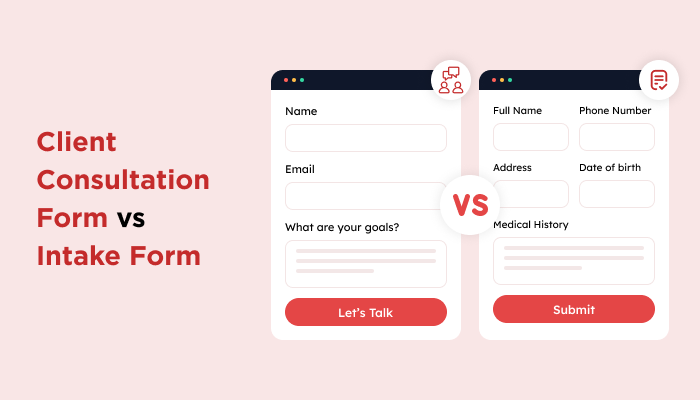
Client Consultation Form vs Intake Form: Key Differences Explained


When someone books a consultation with my business, the first thing I do is send them a short form to complete their needs before our meeting.
Later, if they decide to move forward, I send another form that asks for more detailed personal or business information.
Both forms are essential you see, but they serve very different purposes.
This is where the distinction between a consultation form vs intake form becomes important. A client consultation form helps you prepare for an initial discussion. On the other hand, a client intake form collects the information needed to officially onboard a new client.
In this article, I’ll explain:
- Client consultation form vs intake form differences
- When each form should be used
- How can businesses streamline the process using online consultation forms and digital intake forms?
Let’s GO!
What Is A Client Consultation Form?

A client consultation form is a form used before an initial meeting, call or discovery session to collect basic information about a potential client’s:
- Needs
- Goals
- Expectations
Businesses use consultation forms to prepare for the conversation and understand whether their services are the right fit or not.
Typically, a consultation form gathers high-level information, not detailed records as most of you think. Because the goal is to help professionals quickly understand the client’s situation, here are the things you should ask in your client consultation form:
- Client name and contact details
- Preferred consultation date or meeting time
- Description of the problem or request
- Goals or expected outcomes
- Budget range or service interest
- Additional notes or questions
Many businesses now use online consultation forms to automate the process. When a client books an appointment, the form can automatically capture the basic essential info and send it directly to the business.
Consultation forms are commonly used by:
- Consultants and coaches
- Lawyers and legal advisors
- Healthcare professionals
- Marketing agencies
- Financial advisors
- Freelancers and service providers
By collecting this information beforehand, a client consultation form makes business stay prepared better for discussions and run more productive consultations.
What Is A Client Intake Form?

A client intake form is a form used to collect detailed information from a client after they decide to work with a business or service provider.
It is typically part of the official onboarding process. Additionally, it gathers the data needed to begin delivering the service.
In simple words, you can think of it as the next, more organized step of client consultation form. It collects data such as:
- Full client contact details
- Business or personal background information
- Service requirements and preferences
- Legal agreements or consent fields
- Billing and payment information
- Emergency or additional contact details
- Documents or file uploads
Many businesses now rely on digital intake forms or online intake forms for smooth onboarding. These forms allow clients to submit information online. Thus no more messed up paperwork. All details are stored securely online.
Client intake forms are widely used across industries such as:
- Healthcare and therapy practices
- Law firms
- Consulting agencies
- Marketing and creative services
- Coaching and training businesses
By using structured online client intake forms, you can organize client data effortlessly. Plus, it makes sure you have the information you need to start the project or service.
Client Consultation Form vs Intake Form: Key Differences
The difference between a client consultation form vs intake form simply comes down to
- Timing
- Purpose
- The type of information collected
Although both online forms help businesses gather client information, they are used at different stages of the client journey.
Here’s a head-on-head comparison of Intake forms vs. client consultation forms.
| Feature | Client Consultation Form | Client Intake Form |
| Primary Purpose | Understand the client’s needs before a meeting or discovery call. | Collect detailed information to officially onboard a client. |
| When It Is Used | Before the first consultation or initial contact. | After the client decides to work with the business. |
| Type of Information Collected | Basic details, goals, questions, and consultation topic. | Detailed personal, business, legal, and service-related information. |
| Level of Detail | Short and high-level. | Comprehensive and structured. |
| Typical Questions | What service are you interested in? What problem are you facing? | Full contact details, background information, agreements, billing details. |
| Main Goal | Prepare for a productive consultation. | Organize client data and start the service or project. |
| Common Format | Often used as online consultation forms linked to appointment bookings. | Usually structured as digital intake forms or onboarding forms. |
| Who Uses It | Consultants, coaches, agencies, freelancers. | Healthcare providers, law firms, consultants, service businesses. |
When Should You Use a Consultation Form?

A client consultation form should be used before the first meeting, call or discovery session with a potential client.
Its purpose is to collect essential background information so you can prepare for the conversation and understand the client’s needs ahead.
Using a consultation form helps businesses avoid unstructured discussions. Plus, makes sure the consultation focuses on the client’s goals and challenges.
You should use a client consultation form in situations such as:
- Before a discovery call or consultation meeting to understand the client’s needs.
- When a potential client books an appointment online and you need basic information beforehand.
- When evaluating whether a client is a good fit for your services.
- When preparing a proposal or service recommendation based on the client’s problem.
- When collecting initial project details before starting deeper discussions.
Many businesses use online consultation forms integrated with scheduling tools and WordPress booking plugins such as BookingPress so clients can submit their information while booking a consultation.
Typical industries that rely completely or heavily on consultation forms are:
- Consultants and coaches
- Marketing and creative agencies
- Lawyers and legal advisors
- Financial advisors
- Freelancers and service providers
By collecting information beforehand, you can run more productive meetings and respond to client needs more effectively.
When Should You Use a Client Intake Form?

A client intake form should be used after a client decides to work with you and you need to collect detailed information to begin the service or project.
It is a key part of the client onboarding process. And for most businesses, this is a logical next step after a consultation form’s positive reply.
The client intake form gathers more structured data, in more depth to deliver the product or service properly in the exact way the client needs.
You should use a client intake form in situations such as:
- After a consultation when the client agrees to move forward
- At the beginning of the onboarding process for new clients
- When collecting detailed personal or business information required for the service
- When requesting documents, consultation agreements or consent forms
- When gathering billing or payment information
Many organizations now use digital intake forms or online intake forms to simplify onboarding. These forms allow clients to securely submit all important details before the work officially begins.
Industries that mostly use client intake forms are:
- Healthcare and therapy practices
- Law firms
- Consulting and coaching businesses
- Marketing agencies
- Financial service providers
By using structured online client intake forms, you can organize client information, lower manual paperwork and start the service with complete and accurate data.
Using Both Forms In The Client Onboarding Process
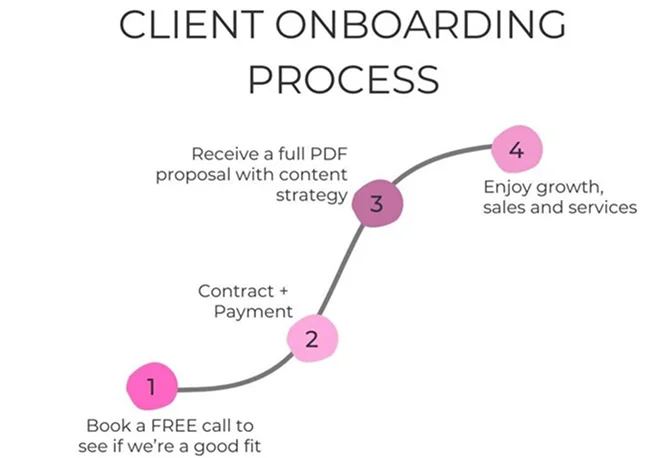
In the consultation form vs intake form process, a client consultation form is a simple first-contact form to understand goals, pain points and fit (mostly “Why” they’re here).
On the flip side, an Intake form is a post-booking form that captures official contact details, legal or contract data, and project specific (the “What” to start work).
In simple words, you can think of client Consultation form as contact form, and Client Intake form as a booking form.
In business, there’s no “pick one leave another”. Both forms work together to make the client onboarding experience much smoother.
- Consultation Form: Used earlier in the process to understand the client’s needs. If they align, go to the next step.
- Intake Form: Used after engagement to gather final details of project or service.
A typical client onboarding flow looks like this:
Step 1: Client submits a consultation form
A potential client fills out an online consultation form when booking a discovery call or requesting more information. This form data makes you understand the client’s goals, challenges, and the service they are interested in.
Step 2: Consultation or discovery meeting takes place
During the consultation, you review the information from the form, discuss the client’s needs and decide the best solution or service.
Step 3: Client agrees to work with you
Once the client decides to go along, you move to the next stage of onboarding.
Step 4: Client completes the intake form
At this stage, the client fills out a client intake form to offer you the detailed information needed to begin the service.
This can include contact details, background information, agreements, and project requirements.
Using both online consultation forms and digital intake forms allows businesses to streamline their:
- Client onboarding process
- Lower repetitive questions
- Keep all client information organized from the very beginning
Final Thoughts: Consultation Forms And Intake Forms Serve Different Purposes
In a nutshell, client consultation form vs intake form, both serve different purposes.
- Client Consultation Form: Used to gather client’s basic personal details, needs and goals.
- Client Intake Form: Used to gather client’s essential info, project needs and more. (After client consultation form)
In simple words, both of these online forms are simple questionnaire forms which are used to collect a new client’s information before working together.
Ready to grow your business into a professional hub? Create consultation form and intake form together with ARForms!
You may also like
- 12 Ways Interactive Forms in WordPress Boost Conversions in 2026
- What are Lead Forms? Ultimate Guide to Lead Generation Forms
- How To Avoid Common Mistake When You Using Form Plugins
FAQs
What is the purpose of a client consultation form?
The purpose of a client consultation form is to understand the client’s needs and goals. This kind of form is more used in health, beauty and wellness fields to identify any contraindications such as allergies or medical conditions ahead before further discussions.
What does client intake form mean?
The client intake form means a simple document or digital form that is used to gather and finalize the essential information from a new client.
What is an intake form used for?
An intake form is used for information gathering and onboarding new clients. It collects important information from new clients before beginning the project.
What is another name for an intake form?
The other names for an intake form is registration form, application form, onboarding form or project request form.
How do you create a client intake form online?
You can create a client intake form online for your WordPress business website by using ARForms. ARForms is the best WordPress form builder plugin that lets you create any kind of client intake and consultation form with simple drag and drop.
Are intake forms only for new clients?
Intake forms are most commonly used for new clients, but businesses may also use updated intake forms for returning clients when project details, legal agreements or personal information change.
Is a client intake form a legal document?
Even though a client intake form holds legal importance, it generally is only for business record.